Washington IT News: Technology Is Changing Trucking — Here’s How Seattle Truck Driving School Fits Into the Future

IT News for Seattle Truck Driving School

🚛 Technology has transformed nearly every major industry in Washington State, and commercial trucking is experiencing some of the most significant changes in its history. From artificial intelligence and advanced navigation systems to electronic safety monitoring and electric commercial vehicles, modern transportation is becoming increasingly sophisticated. These developments are changing how freight moves through the Pacific Northwest and what professional drivers need to know before entering the workforce.

For Washington businesses, the connection between information technology and transportation is particularly important. Seattle’s economy depends on a complex network of shipping terminals, warehouses, distribution centers, manufacturers, and transportation companies. Behind that network are skilled commercial drivers responsible for moving essential goods throughout the region and across the country.

As the trucking industry adopts new technology, professional driver education is becoming even more valuable. Training programs such as EmeraldSky CDL School help future commercial drivers develop the practical knowledge, safety awareness, and operational skills needed to begin careers in an increasingly technology-driven industry.

Washington IT News: Why Technology Is Transforming the Trucking Industry

The commercial trucking industry has traditionally depended on mechanical expertise, driving experience, and detailed knowledge of transportation regulations. Those skills remain essential, but modern trucks are now equipped with sophisticated electronic systems that help drivers and fleet operators manage daily operations.

Many commercial fleets use GPS navigation, electronic logging devices, vehicle diagnostics, digital dispatch platforms, and transportation management software. These technologies allow trucking companies to monitor vehicle performance, coordinate shipments, improve scheduling, and maintain regulatory compliance.

The development of intelligent transportation systems demonstrates how information technology is becoming integrated into transportation infrastructure. These systems combine communication networks, traffic monitoring, electronic data, and automated technologies to improve mobility and roadway safety.

For Washington’s technology sector, trucking represents an important example of digital transformation happening outside traditional offices and software companies. The same advances in connectivity, data analytics, and automation that support modern businesses are also helping transportation companies manage thousands of miles of daily freight movement.

Professional truck drivers increasingly work in an environment where understanding electronic equipment is part of performing the job effectively.

How Seattle Truck Driving School Fits Into the Future of Commercial Transportation

Preparing for a trucking career involves considerably more than learning to steer a large vehicle. Commercial drivers must understand vehicle inspections, safe operating procedures, traffic regulations, cargo considerations, and the responsibilities associated with transporting freight.

EmeraldSky CDL School provides professional commercial driver education for individuals interested in entering this industry. Its Seattle Truck Driving School program combines classroom learning with practical driving instruction, helping students build a foundation for obtaining a commercial driver’s license.

The school emphasizes essential driving skills, including vehicle inspections, backing maneuvers, defensive driving, highway operations, and Department of Transportation regulations. Its published program information also addresses electronic logging devices, GPS-based fleet management, and modern vehicle technologies.

These fundamentals are increasingly relevant as trucking companies introduce advanced equipment into everyday operations. A driver who understands vehicle systems, safety requirements, and professional operating procedures is better positioned to adapt to new technology throughout a transportation career.

The relationship between driver education and technological progress is straightforward. Modern equipment can provide valuable information and assistance, but professional drivers remain responsible for interpreting conditions, operating safely, and making appropriate decisions on the road.

Electronic Logging Devices Are Changing Daily Trucking Operations

One of the most significant technological developments in commercial trucking has been the widespread adoption of electronic logging devices, commonly called ELDs.

These devices electronically record driving activity and help commercial drivers and motor carriers maintain hours-of-service records. They have largely replaced traditional paper logs for drivers subject to federal ELD requirements.

The Federal Motor Carrier Safety Administration’s electronic logging device training resources explain how these systems support compliance with driving-hour regulations intended to reduce fatigue-related safety risks.

Electronic recordkeeping introduces responsibilities that extend beyond operating a truck. Drivers must understand how to use logging systems correctly, identify duty-status information, and maintain accurate records.

Digital documentation also helps transportation companies organize operational information more efficiently. Dispatchers and fleet managers can use appropriate electronic records to monitor compliance and coordinate transportation activities.

For future truck drivers entering the workforce, familiarity with electronic recordkeeping and federal safety requirements is an important part of professional preparation.

Artificial Intelligence and Smart Technology Are Reshaping Freight Transportation

Artificial intelligence is introducing new possibilities for commercial transportation. Freight companies can use data-driven systems to study traffic patterns, estimate arrival times, improve maintenance scheduling, and identify more efficient transportation routes.

Predictive maintenance is one particularly useful application. Modern commercial vehicles can collect diagnostic information about engine performance and other mechanical systems. Analytical software can help maintenance teams identify developing problems before those problems result in expensive breakdowns.

Route optimization technology offers another advantage. By evaluating traffic congestion, distance, delivery requirements, and operational restrictions, routing platforms can help transportation companies develop more efficient schedules.

Advanced driver-assistance systems are also becoming more prominent in commercial vehicles. Depending on the truck and its equipment, these systems may provide collision warnings, lane-departure alerts, adaptive cruise control, and emergency braking assistance.

Although these technologies can support safer operations, they do not eliminate the need for professional driving judgment. Commercial drivers must continue to monitor roadway conditions, maintain appropriate following distances, recognize hazards, and respond to unexpected situations.

🚦 The future of trucking will depend on a combination of capable drivers and increasingly intelligent transportation equipment.

Washington’s Freight Industry Depends on Modern Infrastructure

Washington occupies an important position in domestic and international freight transportation. Its ports, highways, rail connections, and distribution networks support the movement of agricultural products, manufactured goods, construction materials, and consumer merchandise.

The Seattle metropolitan area serves as a major transportation gateway, connecting maritime shipping activity with regional distribution centers and highways reaching other parts of Washington and neighboring states.

The Washington State Department of Transportation’s Freight System Plan examines the movement of goods across highways, railways, waterways, and aviation networks. The plan highlights the importance of maintaining an efficient, safe, and reliable freight system to support Washington’s economy.

Digital technologies have become valuable tools in managing this infrastructure. Traffic information systems, freight scheduling software, transportation data, and electronic communication help logistics companies plan around congestion and changing conditions.

The relationship between trucking and technology is particularly visible around busy freight corridors. Commercial drivers operating near Seattle and Tacoma regularly encounter urban traffic, industrial facilities, shipping terminals, and complex highway networks.

These conditions require careful attention, sound judgment, and an understanding of professional commercial vehicle operation.

As Washington continues improving its transportation infrastructure, skilled drivers will remain essential to connecting physical freight operations with the technology used to manage them.

Commercial Driver Training Is Becoming More Important as Industry Standards Evolve

Commercial truck driving is a regulated profession with specific licensing, training, and safety requirements.

Federal entry-level driver training standards establish baseline requirements for certain individuals seeking their first Class A or Class B commercial driver’s license, upgrading from Class B to Class A, or obtaining specified endorsements.

According to the Federal Motor Carrier Safety Administration’s Entry-Level Driver Training regulations, applicable training requirements include theory instruction and, for relevant CDL classes, behind-the-wheel training completed through registered training providers.

These requirements reflect the serious responsibilities involved in operating commercial vehicles.

Professional driver education helps students develop practical skills while becoming familiar with the regulations governing commercial transportation. Training typically addresses inspections, vehicle control, backing, road operations, safety procedures, and applicable transportation laws.

For new drivers, learning these fundamentals provides a foundation that remains relevant even as trucks and transportation systems evolve.

A career in commercial driving involves continuing education as well. Drivers may need to learn unfamiliar vehicle technologies, new company procedures, updated regulatory requirements, and equipment-specific operating practices throughout their careers.

That willingness to continue learning is becoming an increasingly valuable professional trait.

Electric Trucks and Sustainable Transportation Are Creating New Opportunities

⚡ Vehicle electrification is another development attracting attention throughout the transportation industry.

Electric commercial trucks are being introduced in applications where vehicle range, charging infrastructure, payload requirements, and operating schedules make electrification practical. Regional deliveries, port-related transportation, and some urban freight operations are among the applications being explored.

Electric trucks operate differently from conventional diesel-powered vehicles. Drivers and fleet operators must account for charging availability, battery range, energy consumption, vehicle weight, and maintenance considerations.

These differences introduce new training and operational requirements for transportation companies adopting electric equipment.

Electric trucks also create opportunities for cooperation among technology developers, electrical infrastructure providers, vehicle manufacturers, transportation companies, and workforce training organizations.

In Washington, where technology and transportation are important parts of the regional economy, these developments illustrate how industries are becoming more closely connected.

Diesel trucks will continue serving many freight applications while electric and other alternative-powertrain technologies develop. Drivers entering the industry today may encounter several types of commercial vehicle technology during their working lives.

Understanding the basic principles of safe vehicle operation provides an essential starting point regardless of how a commercial truck is powered.

Truck Driving Careers Remain Important in an Increasingly Automated Economy

As artificial intelligence and automation become more capable, conversations about the future of employment frequently focus on jobs that technology could change.

Commercial trucking presents a more complicated picture. Although automation may alter certain driving tasks, professional drivers also perform inspections, monitor equipment, manage changing road conditions, communicate with dispatchers, and handle responsibilities associated with freight delivery.

The U.S. Bureau of Labor Statistics’ Occupational Outlook Handbook projects employment of heavy and tractor-trailer truck drivers to grow 4 percent from 2025 through 2035. The agency estimates approximately 214,500 job openings annually, on average, during that period, including openings associated with workers leaving the occupation.

The Bureau also reports a median annual wage of $58,640 for heavy and tractor-trailer truck drivers in May 2025. Actual earnings vary by experience, location, employer, freight specialization, and type of driving assignment.

Commercial driving can offer several career directions. Some drivers prefer local delivery routes that allow them to return home regularly. Others pursue regional freight transportation or long-distance trucking that takes them across multiple states.

Additional opportunities exist in specialized transportation, including refrigerated freight, flatbed operations, construction equipment hauling, and certain tanker applications requiring additional qualifications.

These different career paths make professional CDL training relevant to individuals with a wide range of employment goals.

Seattle’s Road Conditions Provide a Valuable Learning Environment

Seattle presents driving conditions that require careful attention from commercial vehicle operators.

Drivers must navigate busy interstate corridors, urban intersections, changing weather, steep grades, and industrial areas where large trucks routinely operate near smaller vehicles and pedestrians.

The Pacific Northwest’s wet weather introduces additional considerations involving braking distances, visibility, traction, and defensive driving techniques.

For new commercial drivers, learning to recognize and respond to these conditions is an important part of developing confidence behind the wheel.

Practical training provides opportunities to build vehicle-control skills while receiving instruction and feedback from experienced trainers. Repeated practice helps students become more familiar with the space required for turns, backing maneuvers, lane changes, and safe stopping.

Driver education in the Seattle area also introduces students to the broader transportation environment in which they may eventually work.

Professional preparation is especially important because commercial vehicles require greater stopping distances, wider turning areas, and more deliberate maneuvering than passenger cars.

Technology may help drivers monitor certain hazards, but effective vehicle control and situational awareness remain central to roadway safety.

Washington CDL Requirements Connect Training With Career Readiness

Individuals pursuing commercial driving careers in Washington must understand the state’s licensing process.

The Washington State Department of Licensing provides information about commercial learner permits, licensing requirements, testing, and eligibility.

Washington generally allows qualified individuals age 18 or older to pursue a commercial driver’s license, while interstate commercial driving ordinarily requires drivers to be at least 21 years old.

Applicants must satisfy applicable licensing requirements, which can include knowledge testing, required training, a commercial learner permit, skills testing, and medical qualifications.

Training programs help individuals prepare for the practical responsibilities and assessments associated with commercial driving.

Beyond licensing, employers may have additional requirements related to experience, safety records, equipment qualifications, and the types of freight being transported.

For those planning a career change, understanding these expectations before entering the industry can help create a more realistic path toward employment.

Why Truck Driver Education Belongs in Washington IT News

The growth of transportation technology creates a compelling connection between Washington’s information technology industry and its commercial driving workforce.

Software platforms and advanced equipment can help a trucking company coordinate deliveries, monitor vehicles, and process information. However, physical goods still require transportation between ports, warehouses, businesses, and consumers.

This creates a continuing relationship between digital innovation and hands-on professional skills.

A modern supply chain involves far more than an online order or automated warehouse system. Its successful operation depends on communication networks, transportation infrastructure, reliable equipment, and trained professionals capable of moving freight safely.

Organizations such as EmeraldSky CDL School contribute to this workforce by helping prospective drivers prepare for commercial licensing and professional transportation responsibilities.

As businesses adopt artificial intelligence, connected vehicle systems, digital dispatching, and alternative-powertrain trucks, driver training provides an important starting point for those entering the industry.

For Washington’s technology community, trucking offers a clear example of how innovation affects established professions while creating new demands for education, adaptability, and practical knowledge.

Conclusion: The Future of Washington Trucking Combines Technology With Skilled Drivers

🚛 Washington’s transportation industry is entering a period in which technology will play an increasingly influential role in how commercial freight is managed and delivered. Artificial intelligence, electronic logging systems, smart vehicle technology, digital fleet management, and electric trucks are changing daily operations across the industry.

These advances offer opportunities for greater efficiency, improved operational visibility, and stronger safety practices. At the same time, commercial transportation continues to depend on trained professionals who understand vehicle operation, roadway conditions, regulatory responsibilities, and the demands of moving freight.

EmeraldSky CDL School represents an important part of that connection between traditional workforce skills and the changing transportation industry. By providing classroom education and hands-on commercial driving instruction, the school helps individuals prepare for careers in a field where practical ability and technological familiarity increasingly work together.

For Washington’s technology sector, the broader lesson extends beyond trucking. The future of innovation depends on people who can apply new technology effectively in the real world.

As transportation systems become more sophisticated, skilled commercial drivers will continue playing a vital role in supporting Seattle’s economy, Washington’s freight infrastructure, and the nationwide supply chains that connect businesses and communities.

The next chapter of trucking will be shaped by intelligent technology, modern equipment, and the professionals trained to operate it safely.

From GPS to Field Communications: Why Large Acreage Vegetation Management Needs West Virginia IT

IT News for Large Acreage Vegetation Management Charleston WV

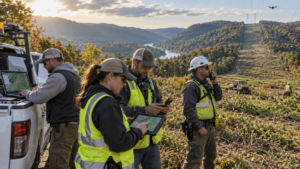
Large-scale vegetation work in West Virginia has always demanded heavy equipment, experienced operators, careful planning, and a working knowledge of difficult terrain. Today, another element has become increasingly important: technology. From GPS positioning and digital mapping to mobile communications and remote data, information technology now plays a practical role in how crews plan, coordinate, document, and complete work across large properties.

That connection is particularly relevant around Charleston and throughout West Virginia, where steep slopes, wooded acreage, utility corridors, commercial properties, institutional grounds, transportation routes, and undeveloped land can create complicated working environments. Managing vegetation across dozens or hundreds of acres requires more than sending machinery into a field. Crews need to know where they are, where they are going, what areas have been addressed, and how conditions are changing across the property.

For West Virginia IT News, this represents an important example of technology moving beyond offices, servers, and traditional business systems. Modern information technology is increasingly being used in the field, and vegetation management offers a clear illustration of how digital tools can support work performed far from a desk.

GPS Has Changed the Way Large Properties Can Be Managed

The Global Positioning System has become so familiar that its importance is easy to overlook. GPS technology provides positioning information that can help users identify locations across enormous areas, making it particularly valuable when work extends beyond clearly marked roads, buildings, or property entrances.

On a small residential property, a worker can usually see most of the area that needs attention. A large tract of land presents a different problem. Hills, woods, drainage areas, utility easements, and changes in elevation can make it difficult to determine exactly where equipment is operating.

GPS-equipped devices can help crews maintain an accurate understanding of their location while moving through large sites. Digital coordinates can also help identify property features, access points, boundaries, staging areas, and sections that require additional attention.

For companies providing Large Acreage Vegetation Management Charleston WV, these capabilities can be especially useful when projects involve substantial acreage or terrain that cannot be easily evaluated from one vantage point.

The technology does not replace the experience of the equipment operator. Instead, it gives that operator another source of information. Knowing precisely where a machine is located within a large project area can support better coordination and help reduce confusion as crews move from one section of a property to another.

Digital Mapping Brings the Entire Property Into View

GPS becomes even more useful when paired with geographic information systems. The West Virginia GIS Technical Center provides statewide GIS resources and supports digital mapping and geospatial information throughout West Virginia.

GIS technology allows location-based information to be displayed as layers on a digital map. Depending on the data available, those layers can represent roads, elevation, parcels, waterways, structures, aerial imagery, infrastructure, and numerous other geographic features.

This matters for vegetation management because acreage rarely exists as a simple rectangle of open land. A single property may contain steep grades, wooded sections, drainage channels, fences, buildings, access roads, utility areas, and sections where machinery must approach cautiously.

Digital mapping provides a broader picture before field operations begin. Instead of relying entirely on descriptions or visual observations made from the nearest road, managers can examine the property as a geographic system.

The U.S. Geological Survey describes GIS as a computer system that analyzes and displays geographically referenced information. In practical field applications, that ability to connect information with location can make large projects easier to organize.

For vegetation management, the value is straightforward. The more acreage involved, the more useful an accurate geographic overview becomes.

Remote Sensing Adds Another Layer of Information

Another technology with growing relevance to land management is remote sensing. The U.S. Geological Survey’s remote sensing resources explain how sensors can collect information about the Earth’s surface from a distance.

Satellite imagery, aerial photography, LiDAR, and other forms of remotely gathered information can provide details that are difficult to obtain simply by walking or driving around a property.

Remote imagery can help provide context about vegetation density, terrain, nearby development, drainage patterns, and access. Historical imagery can also make it possible to observe how land has changed over time.

These tools do not eliminate the need for an on-site evaluation. Ground conditions can differ from what appears on a map or aerial image. Vegetation can change rapidly, storms can alter access, and small obstacles may not appear in available imagery.

Remote data is most valuable when it becomes another part of the planning process. It provides crews and property managers with information before equipment begins moving across the site.

That is an important theme in modern field technology. Digital systems are most effective when they improve situational awareness rather than attempting to replace human judgment.

Reliable Connectivity Matters Beyond the Office

Much of the conversation surrounding broadband focuses on homes, schools, healthcare, and traditional businesses. Field operations are another reason connectivity matters.

The West Virginia Office of Broadband has focused extensively on expanding high-speed internet access throughout the state. Improved connectivity has implications well beyond streaming video or working from home. It can influence how companies communicate with employees, access cloud-based information, send photographs, update digital maps, and coordinate activities from remote locations.

Large-acreage vegetation projects can place crews considerable distances from the main office. A supervisor may need to send updated instructions. An operator may need to transmit photographs from a particular section of the property. Weather information may need to be checked. Digital project files may need to be accessed. A crew member may need to confirm a mapped location.

When reliable connectivity is available, these tasks can happen much more efficiently.

Coverage can still vary significantly in mountainous and rural areas, which means field operations should never depend on a single communication method. Nevertheless, continued improvements in West Virginia’s communications infrastructure expand what is possible for businesses operating outside conventional office environments.

Field Communications Help Keep Large Projects Coordinated

Communication becomes more complicated as physical distance increases. On a large project site, crew members may be separated by hills, heavy vegetation, equipment noise, or substantial acreage.

Phones, radios, mobile devices, vehicle communication systems, and other tools can all contribute to maintaining contact.

The importance of dependable field communication is well established in other sectors. The Federal Emergency Management Agency emphasizes communications as an important component of coordination and situational awareness during operations. Although large-acreage vegetation work is very different from emergency response, the basic operational principle remains relevant: people working across dispersed locations benefit from dependable ways to exchange information.

For vegetation crews, communications may involve something as routine as confirming that one section has been completed before equipment moves into another. It may involve identifying an obstacle, reporting changing ground conditions, coordinating trucks and machinery, or communicating an equipment issue.

Technology helps shorten the distance between workers who may physically be far apart.

GPS and Connected Equipment Also Create Technology Responsibilities

Greater use of technology brings additional responsibilities. GPS devices, smartphones, tablets, cloud platforms, and connected equipment all depend on systems that need to function reliably.

The National Institute of Standards and Technology has published guidance regarding the responsible use of positioning, navigation, and timing services, including GPS. NIST notes that positioning and timing technologies are widely used across modern systems while also being subject to potential disruptions.

That is an important consideration for any operation becoming more dependent on digital tools.

Good field planning should account for what happens when a device loses connectivity, a battery fails, GPS reception becomes unreliable, or digital information temporarily becomes unavailable. Printed information, established procedures, radio communications, recognizable landmarks, and experienced operators can provide useful redundancy.

Technology should strengthen an operation rather than create a single point of failure.

This combination of modern digital systems and practical backup procedures is especially important in West Virginia, where geography can make field conditions unpredictable.

Digital Documentation Can Create a Better Record of the Work

One of the less visible advantages of technology is documentation.

Large vegetation projects can involve many sections of land completed over multiple days. Digital photographs, timestamps, location information, maps, project notes, and electronic records can help create an organized history of the work.

Instead of relying entirely on memory or handwritten notes, crews can record information while still in the field. Photographs can document conditions before and after work. Location data can help identify where an image was taken. Digital project files can organize information from multiple employees into one record.

For property managers, commercial operators, municipalities, institutions, utilities, and other organizations responsible for substantial acreage, those records can be valuable for future planning.

They can show where work was previously performed, help identify sections that may require additional maintenance, and provide useful information when a property is evaluated again.

Over time, vegetation management can become less reactive and more data-informed.

West Virginia Terrain Makes Technology Particularly Useful

West Virginia provides a natural environment for combining field expertise with information technology.

The state’s terrain can include steep slopes, narrow valleys, forested areas, winding roads, waterways, and large tracts that are difficult to evaluate from the ground. Around Charleston and throughout the surrounding region, a property that appears relatively close on a map can become much more complicated once elevation and access are considered.

Digital terrain information, GPS, aerial imagery, and communications technology help provide context that crews previously had to establish almost entirely through physical inspection.

The result is not a fully automated approach to land management. Vegetation still has to be cut, cleared, mulched, or otherwise managed by appropriate equipment and experienced people.

The change is in the information available to those people.

A crew can enter the field with a better understanding of the site. Supervisors can maintain better awareness of where work is occurring. Property information can be documented more accurately. Communication can happen faster.

These improvements demonstrate how IT increasingly intersects with industries that once appeared largely mechanical.

Large Acreage Vegetation Management Is Becoming a Connected Field Operation

The image of vegetation management is usually dominated by machinery. That makes sense. Powerful equipment remains central to clearing and maintaining substantial acreage.

Behind that machinery, however, an information layer is becoming increasingly important.

GPS establishes location. GIS organizes geographic information. Satellite and aerial imagery provide perspective. Broadband connects field crews with outside resources. Mobile devices make project information accessible away from the office. Digital documentation builds a record of completed work. Communication systems keep employees connected across large and difficult sites.

Each technology solves a different problem, but together they create a more informed field operation.

This is where West Virginia IT and land management increasingly meet.

The technology is not there simply because digital tools are new. It is useful because large properties create information problems. Crews need to understand where they are, what lies ahead, where equipment can travel, what has already been completed, and how to communicate across substantial distances.

Modern IT helps answer those needs.

Conclusion

Large acreage vegetation management in Charleston and throughout West Virginia remains a hands-on industry built around equipment, field experience, planning, and skilled operators. Technology is adding another important dimension to that work.

GPS can help crews navigate extensive properties. GIS can organize geographic information. Remote sensing can provide a broader view of terrain and vegetation. Broadband and mobile communications can connect workers with supervisors and project information. Digital records can provide a clearer history of what happened across a site.

West Virginia’s landscape makes these capabilities particularly valuable. Hills, forests, rural acreage, utility corridors, commercial land, and difficult access can turn vegetation management into a complex logistical operation.

For West Virginia IT News, the story extends beyond computers and telecommunications. It demonstrates how information technology is moving directly into the physical industries that maintain the state’s land and infrastructure.

The machines may perform the clearing, but increasingly, data helps determine how the work moves across the ground.

Why Solid Wood Kitchen Cabinet Companies Need Better IT to Grow

IT News for Solid Wood Kitchen Cabinets

A kitchen cabinet company may build its reputation with craftsmanship, dependable service, attractive designs, and products that last for decades, but a growing cabinet business also depends on technology far more than many owners realize. From the moment a homeowner searches for cabinets online to the day an order is delivered and installed, information technology touches nearly every part of the process.

The cabinet industry has changed considerably as customers have become more comfortable researching products, comparing companies, viewing designs, requesting estimates, and communicating with contractors online. At the same time, manufacturers, dealers, designers, installers, suppliers, and office staff increasingly rely on connected software and digital systems to keep projects moving.

For companies selling Solid Wood Kitchen Cabinets, strong IT is no longer simply an office convenience. It can support faster estimates, better customer service, more accurate orders, improved cybersecurity, stronger marketing, and smoother communication from the showroom to the installation site.

The broader world of information technology continues to expand as computing, telecommunications, software, networking, and data systems become increasingly interconnected. A useful overview of the field is available through Wikipedia’s Information Technology resource. Cabinet companies do not have to become technology companies, but they do need an IT foundation capable of supporting the way modern customers expect to do business.

Customers Begin Their Cabinet Search Online

The traditional cabinet showroom remains valuable, especially when homeowners want to see wood species, finishes, door styles, hardware, and construction quality in person. However, the customer journey often begins long before anyone walks through a showroom door.

Homeowners search for cabinet styles, remodeling ideas, kitchen layouts, pricing information, wood types, storage solutions, and local cabinet companies from phones, tablets, and computers. A slow website, broken contact form, outdated photo gallery, security warning, or unreliable email system can create a poor first impression before a salesperson ever has an opportunity to speak with the customer.

Reliable IT supports the systems behind that experience. Web hosting, business email, cloud services, data storage, customer databases, online forms, scheduling tools, and communication platforms must work together without creating unnecessary obstacles.

Technology publishers such as TechCrunch Enterprise regularly cover the rapid evolution of enterprise software, artificial intelligence, cloud platforms, and other technologies that influence how businesses operate. While a cabinet company may use technology on a smaller scale than a multinational corporation, the underlying principle is much the same. Businesses become more efficient when their technology supports the work instead of slowing it down.

Better IT Helps Cabinet Companies Manage Leads and Customers

A growing cabinet company can quickly outgrow spreadsheets, handwritten notes, personal email accounts, and disconnected software.

A homeowner may first contact the company through a website form. Another prospect may call after seeing an advertisement. Someone else may visit the showroom and return several months later when a remodeling project finally begins. Without a reliable system for keeping track of these interactions, valuable opportunities can disappear.

Customer relationship management software can help organize names, contact details, project notes, estimates, appointments, follow-ups, and sales activity. When properly configured, these systems allow multiple employees to understand where a project stands without searching through emails or asking another staff member for information.

This becomes increasingly important when a company has several designers, sales representatives, office employees, installers, and managers working with the same customers.

Better IT can also connect customer information with estimating, scheduling, accounting, inventory, and project-management tools. Rather than entering the same information repeatedly, employees can spend more of their time helping customers and completing projects.

Digital Design Has Become Part of the Cabinet-Buying Experience

Kitchen cabinets are highly visual products. Customers want to imagine how a particular cabinet style will look inside their home, not simply see a sample door hanging on a showroom display.

Design software has made that process much more sophisticated.

Kitchen designers can create layouts, adjust dimensions, experiment with cabinet configurations, add islands, change finishes, and create realistic representations of a completed kitchen. Some systems can produce detailed drawings and specifications that help bridge the gap between the sales process and production or installation.

All of this creates additional demands on a company’s technology infrastructure.

Design software requires capable computers, reliable storage, proper backups, secure file sharing, and dependable networks. Large project files must be accessible without forcing employees to wait for slow systems. Designers working from different locations may need secure remote access to the same project information.

Publications such as Ars Technica’s Biz & IT section track developments involving business technology, cybersecurity, artificial intelligence, hardware, software, and connected infrastructure. These developments eventually influence the tools used across industries, including construction, design, manufacturing, and home improvement.

A cabinet company does not need every new technology that appears. It does need systems capable of supporting the technology that directly improves the customer experience and day-to-day operation.

Accurate Information Reduces Expensive Mistakes

Mistakes in the cabinet business can be costly.

An incorrect measurement, outdated drawing, wrong finish, missing cabinet, incorrect hardware selection, or scheduling error can delay an entire kitchen project. Unlike a minor office mistake that can be corrected with a few keystrokes, a cabinet error may require replacement materials, additional transportation, another installation visit, and days or weeks of delay.

Good IT cannot eliminate every human error, but it can make accurate information easier to maintain and share.

Centralized project files help ensure that employees are working from the latest specifications. Digital approval systems can preserve customer selections. Shared scheduling platforms can keep office personnel and installation crews working from the same calendar. Inventory and ordering systems can provide clearer information about materials and product availability.

The result is better coordination.

When everyone is relying on the same information rather than separate notebooks, text messages, email chains, and locally stored files, fewer details are likely to fall through the cracks.

Cybersecurity Matters Even for Local Cabinet Companies

Cybercriminals do not limit their attention to banks and global corporations.

Small and midsize businesses can hold valuable information, including customer names, addresses, phone numbers, email addresses, invoices, payment information, employee records, vendor details, and business credentials. They may also have fewer dedicated security resources than large organizations, which can make them attractive targets.

Cybersecurity therefore needs to be treated as a basic part of operating a modern cabinet business. 🔒

Strong passwords, multifactor authentication, secure Wi-Fi, software updates, employee access controls, antivirus protection, email security, firewalls, and reliable backups can reduce unnecessary exposure.

Current technology coverage illustrates how rapidly cyber risks continue to develop. Reuters technology reporting has covered warnings from major technology companies about the growing threat of AI-assisted cyberattacks. That type of development matters beyond the technology industry because increasingly sophisticated attacks can eventually be directed at businesses of nearly every size.

Cybersecurity becomes especially important when employees are accessing company information from laptops, mobile devices, home offices, showrooms, warehouses, and installation locations.

Convenience should not come at the expense of security.

Cloud Systems Can Keep a Growing Cabinet Company Connected

Cabinet companies rarely operate entirely from one desk.

Salespeople may be in the showroom. Designers may be working on layouts. Managers may be visiting job sites. Installation crews may be at customer homes. Warehouse staff may be checking products and deliveries. Owners may need access to business information while traveling.

Cloud-based technology can connect these activities.

Files stored in properly managed cloud platforms can be accessed by authorized employees from different locations. Cloud accounting, project management, scheduling, communication, and customer-management software can reduce dependence on a single office computer.

The business technology news published by Computerworld reflects how cloud computing, artificial intelligence, workplace software, security, and IT management continue to reshape the modern workplace.

For a cabinet company, the value of cloud technology is often practical rather than flashy. A salesperson can check a project without calling the office. A designer can share an updated plan. A manager can review schedules remotely. An installer can access relevant information from the field.

Those small improvements can add up across hundreds of projects.

Reliable Backups Protect Years of Business Information

One failed computer should never be capable of wiping out years of customer information.

Cabinet companies accumulate an enormous amount of digital material over time. That can include photographs, design files, measurements, invoices, estimates, contracts, supplier documents, employee records, accounting information, marketing materials, customer correspondence, and project histories.

Hardware eventually fails. Files can also be accidentally deleted, corrupted, encrypted by ransomware, or lost when a device is stolen.

A dependable backup strategy creates multiple layers of protection. Important business data should not exist in only one place, and backups should be tested rather than simply assumed to be working.

Modern IT planning should include both recovery and continuity. The goal is not merely to save copies of files. The goal is to help the company continue operating when something goes wrong.

Technology reporting from WIRED frequently highlights large-scale cybersecurity incidents and the methods attackers use to compromise networks and connected devices. Those stories reinforce an important lesson for businesses outside the technology sector. Protecting data is much easier than attempting to reconstruct years of information after it has disappeared.

IT Can Improve Communication From Sales Through Installation

Cabinet projects often involve a long chain of communication.

A homeowner meets with a salesperson. Measurements are taken. A designer creates a plan. Revisions are made. Products are ordered. Deliveries are scheduled. Installers receive instructions. Changes may occur while the project is underway.

Every handoff introduces an opportunity for information to become incomplete or outdated.

Integrated communication and project-management systems can give everyone a clearer view of responsibilities, deadlines, approvals, and changes. Instead of relying entirely on scattered texts and emails, teams can maintain information within the appropriate project record.

This is especially valuable as a company grows.

Informal communication may work when three people are sharing one office. It becomes much more difficult when a business employs several salespeople, designers, project managers, warehouse employees, installers, and administrative staff.

Better technology creates structure without eliminating the personal service that customers expect from a cabinet company.

Modern IT Supports Smarter Marketing

Marketing has also become heavily dependent on technology.

Cabinet companies compete for visibility through websites, search engines, social platforms, online advertising, email, review websites, directories, maps, and increasingly AI-powered search and recommendation systems.

Each of these channels produces information that can help a company understand how customers are finding the business.

Website analytics can show which pages receive attention. Call-tracking systems can identify marketing sources. Customer-management software can show which leads became actual projects. Advertising platforms can provide information about campaigns and audiences.

Better IT makes it easier to bring this information together.

Without reliable tracking, a company may continue spending money on advertising because it generates clicks while failing to notice that another source is actually producing profitable projects.

As technology changes, staying informed becomes increasingly important. Reliable IT news sources help business owners and technology professionals understand emerging trends rather than reacting to them after competitors have already adjusted. The continued growth of enterprise technology coverage across publications such as TechCrunch demonstrates how closely software, data, artificial intelligence, security, and business strategy have become connected.

Artificial Intelligence Is Adding Another Layer to Business Technology

Artificial intelligence is becoming part of software that businesses already use.

AI features are appearing in customer service platforms, email systems, search tools, accounting applications, design programs, marketing platforms, analytics software, cybersecurity products, and productivity tools. 🖥️

For cabinet companies, the useful applications are likely to be the practical ones.

AI may help organize customer inquiries, summarize project notes, analyze marketing performance, improve website content, assist employees with administrative tasks, identify unusual account activity, or make business information easier to search.

The important point is that AI still depends on a solid technology foundation. A company with unreliable computers, weak security, scattered data, poor backups, and disconnected software will not solve those problems simply by adding an AI tool.

Technology should be built in layers. Reliable hardware, networking, security, storage, backups, software, and data management come first. More advanced tools become considerably more useful once that foundation is stable.

Better IT Makes Growth Easier to Manage

Growth creates pressure.

More customers mean more estimates, more drawings, more orders, more appointments, more invoices, more employees, more installation schedules, and more information moving through the business every day.

Processes that worked when a company handled ten active projects can begin breaking down when the company handles fifty.

That is one of the strongest reasons to improve IT before growth creates a crisis.

Technology can standardize processes, automate repetitive work, centralize information, and give managers better visibility into the operation. It can also make employee training easier because staff members are following consistent systems rather than learning a collection of individual workarounds.

The goal is not to replace craftsmanship with technology.

The goal is to give craftspeople, designers, sales professionals, installers, and managers better tools for doing their jobs.

Conclusion

Solid wood cabinetry represents durability, craftsmanship, and lasting value, but the company selling those cabinets operates in an increasingly digital marketplace.

Customers expect responsive websites, quick communication, accurate information, professional designs, convenient scheduling, secure transactions, and organized projects. Employees need dependable access to files, software, customer records, schedules, and communication tools. Business owners need reliable information to make decisions and protect the company as it grows.

Better IT supports every one of those needs.

For a solid wood kitchen cabinet company, investing in technology does not mean abandoning the traditions that built the business. It means creating a stronger infrastructure around them. Reliable networks, secure systems, cloud platforms, backups, customer-management tools, digital design software, cybersecurity, and modern communication systems allow a cabinet company to preserve its craftsmanship while operating with the speed and efficiency customers now expect.

Companies that make technology part of their growth strategy are better positioned to manage more projects without sacrificing service, protect valuable business information, respond to customers more efficiently, and adapt as the marketplace changes.

The cabinets may be built from solid wood, but the business supporting them increasingly runs on information. A strong IT foundation helps make sure that both are built to last.

How an Architect in Dallas, TX Is Using IT to Design the Smart Buildings of the Future

Architect Near Me Dallas TX for IT News

Dallas is known for ambitious development, striking skylines and a business community that readily embraces innovation. As the city continues to grow, information technology is becoming an essential part of how its buildings are imagined, designed and operated. Architecture is no longer limited to selecting materials, arranging rooms and producing construction drawings. Today’s architect must also consider digital modeling, intelligent building controls, cybersecurity, data networks and connected systems.

This convergence of architecture and IT is changing expectations across North Texas. Owners increasingly want buildings that conserve energy, respond to changing conditions and provide safer, more comfortable environments. Architects are meeting those demands by incorporating technology into projects from the earliest design stages.

The result is a new generation of Dallas buildings that function more like responsive systems than static structures. 🏙️

Digital Modeling Is Reshaping the Design Process

One of the most important changes in modern architectural practice is the transition from conventional drawings to data-rich digital models. Building Information Modeling, commonly called BIM, allows architects, engineers and contractors to work from a coordinated digital representation of a proposed building.

Unlike a basic three-dimensional rendering, a BIM model can contain detailed information about walls, windows, mechanical equipment, structural components and building materials. When an architect adjusts one part of the design, the model can reflect that change across related plans and schedules. This helps teams discover conflicts before construction begins and reduces the possibility of expensive corrections in the field.

Digital collaboration is particularly valuable in Dallas, where projects may involve large teams working across multiple offices. Cloud-based design platforms give authorized participants access to current plans and project information without relying on stacks of printed documents. Architects can review updates, coordinate with consultants and communicate changes more efficiently.

People searching for an Architect Near Me Dallas TX may therefore be looking for more than creative design talent. They may also need a professional who understands how digital tools can improve coordination, accuracy and long-term building performance.

The growing importance of connected data reflects a broader shift within the technology sector. The Texas Department of Information Resources highlights IT planning, cybersecurity and data management as essential parts of the state’s technology environment. Those same priorities are increasingly relevant to architectural projects that depend upon networked systems.

Digital Twins Allow Buildings to Be Tested Before Construction

Digital twin technology takes building modeling a significant step further. A digital twin is a virtual representation of a physical object, system or environment. According to the overview of digital twins on Wikipedia, these virtual models can be updated using information gathered from their real-world counterparts.

During design, a digital twin can help project teams study how a building may respond to sunlight, heat, airflow, occupancy and equipment demands. After construction, sensors can provide operational information that helps the virtual model reflect actual conditions inside the building.

This continuous connection between the physical building and its digital representation creates practical opportunities. Facility managers may use the model to locate equipment, investigate unusual energy consumption or prepare maintenance schedules. Architects can also learn how design decisions perform once occupants begin using the space.

Texas researchers are already exploring this technology on a much larger scale. The University of Texas at Austin’s Good Systems project for smart cities uses artificial intelligence, real-time information and digital twins to study safer, smarter urban environments. Although a citywide model is broader than a single Dallas building, the underlying idea is similar: connected information can help professionals test possible outcomes and make better-informed decisions.

Smart Systems Improve Comfort and Everyday Performance

A smart building uses sensors, controls and software to monitor conditions and coordinate different systems. Lighting may adjust according to available daylight. Heating and cooling may respond to occupancy instead of treating every room as if it were constantly in use. Access controls, elevators, ventilation and security systems may share information through a building management platform.

These features can make a building more responsive without creating additional work for occupants. In a well-designed office, for example, meeting-room ventilation can increase when more people enter the space. Lights can dim near windows during bright afternoons, while vacant areas consume less energy. Maintenance teams may receive notifications when equipment begins operating outside its expected range.

The architect’s role is critical because technology must fit the building rather than feel like an assortment of equipment added near the end of construction. Sensor placement, ceiling systems, electrical rooms, cable pathways and equipment access all affect how reliably a smart system will perform.

The National Institute of Standards and Technology’s work on building digitization emphasizes machine-readable information, automation and interoperability. For architects, interoperability matters because a smart building may contain equipment from several manufacturers. Those components must communicate effectively if the building is expected to operate as one coordinated environment.

Energy Management Is Becoming More Intelligent

Dallas buildings face substantial cooling demands during long periods of hot weather. Thoughtful orientation, shading, insulation and glazing remain fundamental architectural strategies, but IT adds another layer of control. Sensors and analytics can reveal how energy is being used throughout the day, while automated systems can adjust equipment in response to changing needs.

The goal is not simply to install more technology. It is to use technology selectively to help the building consume resources more intelligently. A high-performing design begins with the building envelope and passive strategies, then uses controls to refine performance.

The U.S. Department of Energy’s Building Technologies Office supports research and demonstration efforts focused on high-performing, affordable and resilient buildings. Its work shows how building technology is connected to comfort, health, energy reliability and long-term operating performance.

Smart controls can also help buildings interact more effectively with the electrical grid. Equipment may reduce or shift certain loads during periods of high demand without substantially affecting occupants. On-site solar generation, batteries and automated controls can be coordinated as part of a broader energy strategy.

The Department of Energy describes grid-interactive efficient buildings as structures that combine energy efficiency, demand flexibility, smart technologies and communications. In a fast-growing metropolitan area such as Dallas–Fort Worth, these capabilities could become increasingly important as new development adds pressure to the regional power system. ⚡

Cybersecurity Must Be Included in Smart-Building Design

Every connected device creates a potential point of entry into a network. That makes cybersecurity an architectural and operational concern, not merely an issue for the IT department.

Modern buildings may connect security cameras, access controls, thermostats, lighting systems, elevators and mechanical equipment to internal networks. If those systems are poorly configured or left unsupported, they can expose the building to disruption. The consequences may include unavailable controls, compromised data or interruptions to essential operations.

The NIST Cybersecurity for Building Systems initiative specifically addresses systems such as HVAC, lighting, elevators and physical security. Its existence underscores a reality that architects and building owners cannot ignore: smart-building features need protection throughout their useful lives.

Security planning should begin while the building is still being designed. Architects can coordinate with engineers and IT specialists to create appropriate equipment locations, separate critical networks and provide secure access for maintenance. Owners should also receive clear documentation explaining which systems are connected, who is responsible for updates and how access privileges will be managed.

Cybersecurity is receiving substantial attention throughout Texas. The Office of the Texas Governor’s information technology overview identifies cybersecurity, artificial intelligence and advanced technology as important parts of the state’s expanding IT economy. For Dallas architects, that growth creates access to technology partners while also raising expectations for secure digital infrastructure.

Smart Safety Features Can Support Faster Responses

Building safety has traditionally depended on fire alarms, emergency lighting, exit signs and carefully planned evacuation routes. Those fundamentals remain essential. Connected technology can strengthen them by providing clearer information during an emergency.

A smart building may use sensors to identify smoke, rising temperatures, water leaks or unusual equipment behavior. Integrated systems can send alerts to facility personnel and help them understand where an incident is occurring. Digital floor plans may provide responders with information about entrances, utility shutoffs and hazardous areas.

Technology can also support preventive maintenance. A sensor that detects abnormal vibration in mechanical equipment may allow a technician to investigate before a failure interrupts building operations. Moisture monitoring can reveal a hidden leak before it causes extensive damage. Occupancy information can help emergency planners understand how different areas are normally used.

These capabilities work best when architects, engineers, contractors, technology specialists and emergency professionals collaborate early. Safety technology should complement a clear physical design with visible exits, accessible routes and dependable building systems.

Artificial Intelligence Is Expanding the Architect’s Toolkit

Artificial intelligence is beginning to influence both design and building operations. Architects can use computational tools to compare layouts, evaluate environmental conditions and organize large amounts of project information. During operation, AI-supported controls may recognize patterns that would be difficult for a person to detect through occasional inspections.

For example, software might identify that a room consistently overheats during a particular part of the day or that one mechanical unit is using more energy than similar equipment. Facility teams can then investigate the source rather than waiting for a major failure or a series of occupant complaints.

NIST’s research into AI-optimized building controls focuses on advanced approaches for commercial buildings, including opportunities to reduce operating costs and address workforce limitations. This technology has the potential to help building teams make faster, evidence-based decisions.

Human oversight remains vital. Architects must understand the goals of a project, the people who will occupy it and the practical limitations of the available technology. AI can evaluate options and reveal patterns, but the architect remains responsible for shaping a coherent, useful and appealing environment.

The Best Smart Buildings Begin With Human Needs

A building can contain sophisticated equipment and still fail the people who use it. Successful smart architecture begins with daily experience: comfortable temperatures, intuitive navigation, reliable lighting, accessible spaces and a sense of security.

Technology should operate quietly in support of those needs. Occupants should not need extensive instructions to use a conference room, adjust local lighting or enter an authorized area. Facility managers should receive useful information instead of an overwhelming stream of alerts. Owners should understand the costs associated with maintaining connected equipment over time.

Privacy also deserves careful attention. Occupancy sensors and access systems can collect information about how people move through a building. Project teams should limit collection to data that serves a defined operational or safety purpose, protect that information and establish sensible retention practices.

The smartest building is therefore not necessarily the one with the greatest number of connected devices. It is the one in which architecture, engineering and IT work together to create measurable value.

Conclusion

The future of architecture in Dallas is inseparable from information technology. Digital models are improving coordination before construction begins. Smart controls are helping buildings respond to occupancy and environmental conditions. Digital twins are creating new ways to study performance, while artificial intelligence is revealing patterns hidden within building data.

At the same time, cybersecurity, privacy and long-term maintenance must be treated as essential design responsibilities. Connected technology only adds value when it is reliable, secure and genuinely useful to the people inside the building.

An architect who understands both physical space and digital infrastructure can help Dallas property owners prepare for changing expectations. As North Texas continues to grow, that combination of design judgment and technological awareness will shape buildings that are more efficient, resilient, comfortable and ready for the future. 🌐

The Hidden Reason Custom Homes Brenham TX Businesses Need Better IT Services

custom homes Brenham TX for IT News

The custom home industry looks beautiful from the outside. People see polished renderings, gorgeous kitchens, clean job sites, upgraded finishes, and happy families standing in front of their dream homes. What they do not always see is the amount of organization, communication, documentation, scheduling, estimating, and client coordination happening behind the scenes. That hidden side of the business is exactly why better IT services matter more than many builders realize.

For a business connected to custom homes Brenham TX, technology is not just about computers, Wi-Fi, or fixing a printer when something stops working. It is about protecting the business, improving communication, keeping projects moving, and creating a smoother experience for clients who are investing in one of the biggest purchases of their lives. 🏡

Custom home clients expect detail. They expect responsiveness. They expect their builder to know what is happening, when it is happening, and what comes next. When the technology behind the business is weak, those expectations become harder to meet. Files get lost. Emails get missed. Plans become outdated. Photos are hard to find. Team members waste time chasing information. That is the hidden reason custom home businesses in Brenham need better IT services before growth gets messy.

Custom Home Building Runs on More Technology Than People Realize

A custom home business may feel like a hands-on, relationship-driven company, and it absolutely is. But modern construction also depends heavily on digital tools. Builders use cloud storage, project management software, accounting systems, client communication platforms, estimating tools, digital contracts, online calendars, mobile devices, and job site photos to keep everything organized.

According to the Texas Department of Information Resources, technology is now a major part of how organizations operate, serve people, and manage digital systems. While DIR focuses on Texas government technology, the same idea applies to private businesses. Technology is not sitting on the side anymore. It is woven into daily operations.

For custom home builders, that means IT services are not just a “nice to have.” They support the daily rhythm of the business. When a builder has dependable systems, the office can communicate better with the field. Project managers can access updated documents. Clients can receive clearer updates. Vendors can stay aligned. The entire business starts to feel more organized.

The Hidden Risk Is Not Always a Major Crash

Many business owners think about IT only when something breaks. The internet goes down. A laptop stops working. A file disappears. A password will not work. But the hidden risk is often much quieter than that.

The real damage can happen slowly through poor systems. A builder may have files scattered across different devices. One employee may save documents to a desktop while another uses Google Drive, Dropbox, or email attachments. Plans may be updated, but the wrong version gets sent to a subcontractor. A client may ask for a change, but that change is buried in an email thread.

These issues may not look dramatic in the moment, but they create stress, delays, and confusion. Over time, they can cost the business money and weaken the client experience. Better IT services help create structure. That structure can include secure cloud storage, organized folders, device management, backups, cybersecurity, email protection, and clear access rules for employees and team members.

Cybersecurity Matters Even for Local Builders

Some small and mid-sized businesses assume cybercriminals only target banks, hospitals, or huge corporations. That is not true. Construction companies, contractors, design firms, and home service businesses can all be targets because they often handle financial information, vendor payments, client details, contracts, and employee data.

The Texas Department of Information Resources Information Security page shares cybersecurity resources, security planning information, and incident response guidance for Texas organizations. This matters because every business that uses digital tools has some level of cyber risk.

A custom home builder may not think of itself as a technology company, but it still uses technology to collect, store, and send important information. If email accounts are compromised, a hacker could attempt invoice fraud. If devices are not protected, malware could disrupt operations. If backups are weak, a ransomware incident could lock up important files.

Better IT services help reduce those risks through stronger passwords, multi-factor authentication, secure email, backup systems, firewall protection, device updates, and employee awareness. For a builder, this is not about fear. It is about protecting the business that has taken years to build.

Texas Is Taking Technology and Cybersecurity Seriously

Texas has made technology and cybersecurity a larger priority, which shows how important digital protection has become across the state. The launch of Texas Cyber Command reflects the growing need for stronger cyber defense, threat intelligence, and incident response in Texas.

That statewide focus should be a wake-up call for local businesses. If Texas is investing heavily in cybersecurity and technology infrastructure, private businesses should also look closely at their own systems. Custom home builders do not need the same kind of technology setup as a state agency, but they do need reliable protection and organization that matches the size and complexity of their operations.

For a custom home business in Brenham, this could mean having a trusted IT provider review current systems, identify weak spots, and build a practical plan. That plan does not have to be overwhelming. It can start with the basics: secure email, reliable backups, better file organization, protected devices, and a clear process for managing access when employees or contractors change.

Better IT Services Improve the Client Experience

A custom home client is not only buying a house. They are buying confidence. They want to feel like their builder is organized, attentive, and capable of handling the details. When the internal systems are strong, the client feels it.

They receive updates faster. Their documents are easier to manage. Their questions are answered with more confidence. Photos, selections, change orders, timelines, and invoices are easier to find. That creates trust.

The Office of the Texas Governor’s Information Technology & AI page highlights Texas as a major player in information technology, AI, and data center growth. This matters for businesses because customer expectations are shifting with technology. People are used to fast communication, secure portals, digital convenience, and organized updates.

A custom home builder does not have to become a tech company to meet those expectations. But it does need the right IT foundation to support a smoother experience. When clients are investing in a custom home, they should not feel like the communication is scattered or outdated. Strong IT services help the business look and operate with more professionalism.

Growth Gets Messy Without the Right Systems

A smaller custom home business may be able to get by with simple tools for a while. But as the business grows, weak systems become harder to ignore. More leads come in. More clients need updates. More subcontractors need documents. More estimates, invoices, and schedules have to be managed. More employees may need access to files and software.

Without better IT support, growth can create confusion instead of momentum. The business may be bringing in more opportunities, but the internal structure may not be ready to handle them. That is when owners start feeling buried in details.

The Federal Reserve Bank of Dallas has discussed how Texas businesses have been shaped by changing technology and innovation. For local companies, that bigger trend shows why technology should be seen as part of business growth, not just an expense.

For builders, better IT services can help create cleaner workflows. Leads can be tracked more easily. Client files can be stored properly. Employees can access what they need without putting sensitive information at risk. Backups can protect the company from data loss. Software can support better scheduling and communication.

The Texas Economy Is Built for Businesses That Adapt

Texas has a strong and diverse economy, and technology plays a meaningful role in that growth. The Wikipedia page on the Economy of Texas notes that information technology is one of the major sectors connected to the state’s economy.

That matters because businesses in Texas are not operating in a slow-moving environment. They are operating in a state where growth, technology, construction, energy, real estate, and business development all move quickly. Custom home builders in Brenham are part of that bigger picture.

A builder that wants to grow with confidence needs more than craftsmanship. Craftsmanship gets attention. Systems sustain the business. Better IT services give the company a stronger backbone so it can handle more clients, more projects, and more communication without losing control of the details.

Good IT Services Help Protect Reputation

Reputation is everything in custom home building. People talk. Clients remember how they felt during the building process. They remember whether the builder communicated clearly, stayed organized, and handled problems with confidence.

Technology problems can quietly damage that reputation. Missed messages, lost files, delayed updates, and billing confusion can make a great builder look less reliable than they really are. On the other hand, strong systems help the business deliver a better experience from the first conversation to the final walkthrough.

The Cybersecurity and Infrastructure Security Agency provides national cybersecurity guidance and resources that show how important digital protection is for organizations of all sizes. For a custom home business, this reinforces the need to take technology seriously before a problem becomes public, expensive, or stressful.

A strong IT setup can help protect client trust. It can also help employees feel more confident because they know where information lives, how to access it, and how to keep it secure.

Better IT Services Are an Investment in the Business

For custom home builders, IT services should not be viewed as another monthly bill. They should be viewed as an investment in stability, growth, client trust, and operational peace.

The right IT support can help a business reduce downtime, protect sensitive information, improve communication, organize files, support remote access, strengthen cybersecurity, and prepare for future growth. These benefits touch almost every part of a custom home business.

When a builder has better technology systems, the work feels less scattered. The office runs smoother. The team communicates better. Clients feel more informed. The owner has more confidence that the business is not depending on messy processes or risky shortcuts.

Conclusion

The hidden reason custom homes Brenham TX businesses need better IT services is simple: custom home building depends on trust, details, and communication. Technology supports all three.

A beautiful home may be built with craftsmanship, but a strong business is built with systems. Better IT services help protect the builder, support the team, improve the client experience, and prepare the company for growth. In a competitive market, the businesses that stay organized and secure behind the scenes are often the ones that create the most confidence out front.

For custom home builders in Brenham, better IT services are not just about fixing computer problems. They are about building a stronger foundation for the business itself. 🛠️

Why IT Leaders Should Pay Attention to Attic Insulation Removal in Commercial Buildings

Attic Insulation Removal for IT News

Commercial buildings are no longer just physical spaces where people work. They are connected environments filled with servers, wireless networks, security systems, smart thermostats, cloud-connected devices, access control panels, cameras, backup power systems, and building automation technology. For IT leaders, that means the health of a building is directly connected to the health of the systems running inside it.

That is why attic insulation may deserve more attention than most IT departments realize. At first glance, insulation sounds like a facilities issue. It sounds like something handled by maintenance, property managers, HVAC contractors, or building owners. But when old, contaminated, wet, compressed, pest-damaged, or poorly performing insulation starts affecting temperature control, humidity, air quality, energy usage, and equipment environments, it can quietly become an IT concern too.

Modern IT leadership is not only about software, networks, cybersecurity, and hardware refresh cycles. It is also about uptime, risk reduction, business continuity, system reliability, employee productivity, and smarter infrastructure planning. In that larger picture, Attic Insulation Removal can play a bigger role than many organizations expect.

The Modern IT Leader Is Responsible for More Than Technology

The role of IT leadership has expanded far beyond help desks, passwords, servers, and software updates. Today’s IT leaders are often responsible for keeping an entire organization connected, secure, and operational. That includes protecting data, supporting remote work, improving digital workflows, monitoring vendor systems, and making sure the business can keep running even when something unexpected happens.

According to Wikipedia’s overview of information technology management, IT management involves aligning technology resources with organizational needs and priorities. That matters because the physical environment surrounding technology can either support those priorities or work against them.

A commercial building with unstable temperatures, moisture problems, rodent activity, poor ventilation, or rising energy costs can create stress on the very systems IT leaders are expected to protect. Servers can overheat. Network closets can become humid. Smart building devices can malfunction. Security equipment can become unreliable. Employees can complain about comfort issues that impact productivity. Facility problems may not begin as IT problems, but they can quickly become part of the IT leader’s daily reality.

That is why the best IT leaders think beyond the screen. They pay attention to the whole environment where technology lives. A network is not floating in the cloud by itself. It depends on walls, ceilings, wiring, power, airflow, temperature stability, and clean building conditions.

Why Commercial Attic Conditions Can Affect Technology Performance

Attics in commercial buildings often go unnoticed until there is a problem. They may contain insulation, ductwork, wiring, ventilation components, access points, security cabling, and sometimes equipment related to building automation or communications. When insulation in these spaces becomes damaged or outdated, it can affect the performance of the entire building.

Old insulation may lose its ability to regulate heat. When that happens, HVAC systems often work harder to maintain comfortable temperatures. This can lead to uneven heating and cooling throughout the building. One office may feel too warm, another area may feel too cold, and equipment rooms may experience temperature swings that shorten the life of sensitive electronics.

Moisture is another concern. Wet insulation can hold dampness, contribute to odors, and create conditions that may affect indoor air quality. If humidity rises near network equipment, electrical panels, or communications rooms, the risk of system issues can increase. Even if the IT department is not responsible for the attic, it may be responsible for the outages or complaints that result from poor environmental control.

The U.S. Department of Energy explains that insulation plays a key role in reducing heat flow and improving energy performance. For IT leaders focused on operational efficiency, that is not a small detail. Energy performance affects budgets, equipment performance, sustainability reporting, and long-term infrastructure planning.

In a commercial setting, poor insulation can quietly raise costs month after month. When IT budgets are already stretched by cybersecurity tools, cloud subscriptions, hardware upgrades, AI adoption, and compliance needs, building inefficiency becomes one more cost center that should not be ignored.

The Connection Between Building Infrastructure and IT Risk

IT leaders are trained to think about risk. They plan for phishing attacks, ransomware, data loss, access control, vendor outages, endpoint vulnerabilities, and disaster recovery. But risk does not only live inside a computer system. It also lives in the physical spaces that support those systems.

The National Institute of Standards and Technology provides guidance to help organizations manage cybersecurity risk. While cybersecurity frameworks focus heavily on digital systems, the bigger lesson is that risk management works best when leaders identify weak points before they become major failures.

That same mindset can apply to commercial building conditions. If old insulation is contributing to inconsistent temperatures, moisture concerns, pest activity, or HVAC overuse, those conditions can increase operational risk. An IT room that runs too hot is a risk. A building automation system affected by poor environmental conditions is a risk. Security cameras, access controls, sensors, and network devices placed in harsh building conditions can become reliability risks.

This is especially important as more commercial buildings depend on connected systems. Smart thermostats, badge readers, occupancy sensors, cloud-based surveillance, wireless access points, and automated lighting systems all rely on stable physical conditions. When the building envelope is neglected, the technology layer becomes more vulnerable.

IT leaders do not need to become insulation contractors. But they do need to understand how the physical condition of the building can affect uptime, performance, security, and long-term planning.

Why IT Leaders Should Care About Energy Efficiency

Energy efficiency is no longer just a facilities conversation. It is now tied to budgeting, sustainability, technology planning, ESG reporting, and business resilience. IT departments already consume a significant amount of energy through servers, workstations, network systems, data storage, cooling needs, and cloud-related infrastructure. When the building itself is inefficient, energy waste can become even harder to control.

The U.S. Environmental Protection Agency’s ENERGY STAR program provides resources for improving energy performance in commercial buildings. For IT leaders, this matters because energy-efficient buildings can support more predictable operating costs and more stable environments for equipment.

When attic insulation is old, damaged, or contaminated, HVAC systems may run longer and harder. That extra workload can increase utility costs and place more strain on mechanical systems. It can also create comfort complaints that lead to more service tickets, more thermostat adjustments, and more confusion between IT, facilities, and operations teams when smart building systems are involved.

Many businesses are investing heavily in cloud platforms, AI tools, cybersecurity upgrades, automation, and digital transformation. But if the physical building wastes energy every day, the organization may be losing money in a place that is easy to overlook. Removing bad insulation and preparing the space for better performance can be part of a larger strategy to reduce waste and improve building reliability.

Commercial Buildings Are Becoming More Connected

The rise of smart buildings has changed the relationship between IT and facilities. In the past, building systems were often separate from IT systems. Today, they are increasingly connected. HVAC controls, lighting systems, access control, elevators, fire monitoring, occupancy sensors, and surveillance systems may all connect to networks, dashboards, cloud platforms, or vendor portals.

The Cybersecurity and Infrastructure Security Agency recognizes commercial facilities as part of the broader critical infrastructure landscape. This is important for IT leaders because physical spaces and digital systems are becoming harder to separate.

A commercial building with poor insulation may experience more mechanical strain, more comfort complaints, more inconsistent temperatures, and more environmental challenges. In a connected building, those issues can trigger alerts, create data irregularities, cause sensor confusion, or force systems to compensate constantly.

For example, if insulation failure causes heat gain in part of a building, smart thermostats may push HVAC systems harder. If moisture enters attic spaces, it may affect wiring, sensors, or equipment housed nearby. If pest-damaged insulation creates contamination or odor problems, areas of the building may need to be shut down or serviced. Each of these problems can disrupt operations.

IT leaders who understand this connection can work more effectively with facilities teams. Instead of treating building performance as someone else’s problem, they can help create a more unified approach to infrastructure resilience.

Old Insulation Can Hide Bigger Building Problems

One of the most important reasons to pay attention to insulation removal is that old insulation can hide problems that need to be found. Commercial attic spaces may contain signs of water intrusion, roof leaks, pest activity, damaged ductwork, poor ventilation, electrical concerns, or structural issues. When old insulation remains in place for years, those problems may stay hidden until they become expensive.

For IT leaders, hidden problems are familiar. They understand what happens when outdated software, unpatched systems, forgotten devices, or old user permissions remain buried inside an organization. Everything may seem fine on the surface until a failure exposes the weakness.

The same logic applies to building systems. Old insulation can become the physical version of technical debt. It sits above the ceiling, out of sight, quietly affecting performance. It may not cause an emergency today, but it can contribute to bigger issues over time.

The U.S. General Services Administration provides resources related to facilities management, including the importance of maintaining federal buildings and property. While every commercial building is different, the general principle applies broadly: building performance depends on proactive maintenance, not just emergency repairs.

When old insulation is removed, building owners and contractors can often see what is really happening in the attic space. That visibility can help identify problems before they affect employees, equipment, energy costs, or operations.

IT Leaders Understand the Cost of Waiting Too Long

Every IT leader knows the danger of waiting too long to replace outdated systems. A server may still run, but that does not mean it is safe. A firewall may still pass traffic, but that does not mean it is current. A piece of software may still open, but that does not mean it is supported. Waiting too long can increase risk, downtime, and cost.

Commercial attic insulation can be similar. Just because insulation is present does not mean it is performing well. It may be compressed, contaminated, damp, damaged by pests, or no longer suitable for the building’s needs. The problem is that insulation failure is often quiet. It does not always create a dramatic warning sign. Instead, it may show up as higher energy bills, uncomfortable work areas, persistent odors, moisture concerns, or equipment strain.

The Federal Emergency Management Agency focuses heavily on risk management and preparedness. IT leaders can apply that same mindset inside commercial buildings. The best time to address a hidden risk is before it becomes a disruption.

Waiting too long can turn a manageable building improvement into a larger operational issue. If old insulation contributes to moisture problems, pest issues, or HVAC stress, the cost may not stay limited to insulation. It may spread into repairs, equipment replacement, employee disruption, downtime, and emergency service calls.

A Strong Building Environment Supports Stronger IT Operations

IT leaders are often judged by system uptime, response speed, security posture, user satisfaction, and budget discipline. A healthier commercial building can support all of those goals. When the physical environment is cleaner, drier, more stable, and more efficient, technology has a better foundation.

Good insulation supports temperature control. Temperature control supports equipment performance. Equipment performance supports uptime. Uptime supports productivity. Productivity supports revenue. This is why building improvements should not be viewed as separate from IT strategy.

Commercial buildings are becoming more like operating systems. They have connected components, sensors, controls, networks, dashboards, and users. If one part of the environment is failing, the rest of the system can feel the impact. Attic insulation may not be glamorous, but it can influence the performance of the whole building.

IT leaders who pay attention to building conditions can become stronger strategic partners inside their organizations. They can help connect the dots between facilities, operations, finance, security, and technology. That kind of leadership is valuable because modern businesses do not run on isolated departments anymore. They run on connected systems.

Conclusion

Attic insulation removal may not sound like an IT leadership topic at first, but commercial buildings are changing. Technology now depends on physical spaces that are stable, efficient, secure, and well maintained. When old or damaged insulation affects temperature control, moisture, energy performance, air quality, or hidden building conditions, IT leaders have a reason to pay attention.

The best IT leaders think ahead. They do not wait for problems to become expensive. They understand that infrastructure is not only digital. It is also physical. Servers, networks, smart systems, cameras, sensors, and employees all depend on the building around them.

For commercial properties, removing outdated or damaged attic insulation can be part of a broader strategy to improve performance, reduce risk, support energy efficiency, and protect the systems that keep the business moving. In that sense, attic insulation removal is not just a maintenance decision. It is a smart infrastructure decision for leaders who understand that every layer of the building matters. 🏢💻

How a Tree Removal Permit Can Impact IT Infrastructure Projects

Tree Removal Permit for IT News

When most people think about IT infrastructure, they picture servers, cloud systems, network cabling, cybersecurity tools, data centers, and the technology backbone that keeps a business moving. What often gets overlooked is the physical environment that supports all of that technology. Before a company can install new fiber lines, expand a campus, build a data center, improve power access, or prepare land for future technology growth, there may be site conditions that must be handled first. One of those conditions can involve trees.

For IT companies, planning is everything. A missed detail can delay installation timelines, increase project costs, affect vendor schedules, and create compliance problems. That is why something as simple as a Tree Removal Permit can become an important part of a larger IT infrastructure project. When trees are located near utility pathways, building pads, access roads, power upgrades, underground conduit routes, or security infrastructure, removal may require approval before work can move forward.

IT infrastructure is no longer just an internal technology decision. According to Wikipedia’s overview of IT infrastructure, it includes the hardware, software, networks, facilities, and service components needed to support technology services. That word “facilities” matters. The physical site, the surrounding land, and the local permitting rules can all affect how quickly and safely an IT project can be completed.

Why Site Planning Matters in IT Infrastructure Projects

Modern IT projects often depend on more than software and equipment. They require physical readiness. A business may need new cabling routes, outdoor equipment pads, backup generators, security cameras, cooling systems, satellite connections, access roads, or expanded utility service. Each of those improvements can be affected by trees, protected landscape areas, drainage conditions, and municipal rules.

For example, an IT company expanding office space may need to add underground fiber from the street to the building. If a protected tree sits near the proposed trenching path, the project team may need to adjust the route, protect the roots, or apply for permission before any removal happens. A data center project may need to clear land for power infrastructure, cooling equipment, or emergency vehicle access. A corporate campus may need to improve perimeter security, but trees may block camera lines, lighting, or fence installation.

This is where early coordination becomes valuable. IT leaders, facility managers, contractors, engineers, and arborist consultants should work together before site work begins. The earlier a tree issue is identified, the easier it is to prevent delays. Waiting until crews are scheduled and equipment is onsite can turn a small permitting matter into a costly project interruption.

The Connection Between Trees, Utilities, and Technology Expansion

IT infrastructure depends heavily on utility reliability. Power, internet access, cooling, drainage, and physical access all play a role in keeping systems online. Trees can affect these systems in several ways. Roots may interfere with underground conduit routes. Branches may conflict with overhead service lines. Tree placement may limit where generators, transformers, or equipment cabinets can be installed. In storm-prone areas, weak or poorly positioned trees may create risks for power lines and network continuity.

This matters even more as companies invest in AI, cloud, and data center capacity. Recent Reuters reporting on Cognizant’s agreement to acquire Astreya shows how much attention is being placed on AI infrastructure and data center operations. As the technology industry continues to expand physical infrastructure to support AI, automation, storage, and cloud services, land readiness becomes a larger part of the conversation.

A tree-related permitting issue might seem minor compared to server capacity or cybersecurity planning, but it can still hold up the physical work that makes those systems possible. If a company cannot install the necessary power supply, trench the fiber route, or prepare the building site, the technology timeline suffers.

How Permit Delays Can Affect Project Timelines

IT infrastructure projects usually involve multiple vendors and carefully timed phases. Internet service providers, electrical contractors, civil engineers, security installers, HVAC teams, and technology vendors may all depend on each other. If one step is delayed, the entire schedule can shift.

A tree removal approval process may require documentation, an arborist report, site plans, municipal review, replacement tree planning, or environmental compliance steps. Some cities move quickly, while others take longer depending on local regulations and the type of tree involved. If the project includes protected trees, heritage trees, street trees, or trees located near public right-of-way areas, the review may require additional care.

That kind of delay can affect move-in dates, equipment delivery, installation windows, and service launch schedules. For an IT company preparing a new office, a delayed permit could mean employees cannot move into a space on time. For a data-heavy business, it could affect backup system installation or network redundancy. For a company building infrastructure to serve clients, it could delay revenue-producing services.

Industry coverage from CIO about data center decommissioning and infrastructure complexity shows that physical infrastructure work can involve many hidden moving parts. Whether a company is building, expanding, relocating, or decommissioning, the site details matter. Tree-related permitting is one of those details that can be easy to miss until it becomes urgent.

Environmental Compliance and Corporate Responsibility

Technology companies are also under growing pressure to show environmental responsibility. Tree removal decisions may affect stormwater management, heat reduction, neighborhood appearance, habitat protection, and local sustainability goals. Many cities have tree ordinances because trees provide measurable public benefits, including shade, erosion control, air quality support, and visual screening.

For an IT company, responsible planning is not just about avoiding fines. It can also support brand trust. A company that handles site development carefully demonstrates respect for the community. That can matter when building a new office, expanding a campus, or developing infrastructure near residential, commercial, or environmentally sensitive areas.

This connects to a larger trend in infrastructure planning. S&P Global’s 2026 trends in data center services and infrastructure highlights the growing importance of infrastructure strategy as demand increases. As technology facilities grow, companies must think about energy, land use, sustainability, and long-term resilience. Tree permitting fits into that bigger picture because it forces project teams to evaluate how development affects the surrounding site.

Tree Removal and Data Center Development

Data centers are among the most physical forms of IT infrastructure. They require land, power, cooling, backup systems, fiber connectivity, drainage planning, security, and ongoing maintenance access. A tree issue near a data center project can affect the placement of utility corridors, stormwater systems, perimeter fencing, fire lanes, transformer pads, and service roads.

With AI workloads increasing, data center demand is becoming a major infrastructure story. CIO Dive reported on hyperscalers and future data center capacity, showing how large cloud and AI providers are expected to represent a major share of capacity growth. As these facilities expand, site preparation and permitting become even more important.

Tree removal does not happen in isolation. It may be tied to grading, construction access, utility easements, environmental review, or local development approvals. If a protected tree is located in the wrong place, the project team may need to redesign around it or prove why removal is necessary. That decision can affect cost, schedule, and engineering plans.

Power Infrastructure, Trees, and IT Reliability

Reliable power is one of the most important parts of IT infrastructure. Backup generators, switchgear, electrical service upgrades, solar systems, battery storage, and utility connections all require physical space. Trees can interfere with these systems if they are located too close to equipment, power lines, or access areas.

Recent Reuters coverage of Meta’s partnership to secure solar power for data centers shows how closely technology infrastructure is now connected to energy planning. Data centers and AI facilities need dependable power, and companies are exploring new ways to secure it. While most businesses are not building space-based solar systems, the same principle applies on a smaller scale. Power planning must be part of infrastructure planning.

If trees block equipment access, threaten power lines, or interfere with future electrical expansion, they need to be evaluated early. Removal may be appropriate in some cases, but it should be handled through the proper local process. In other cases, pruning, root protection, or redesign may be the better solution. The key is to make that decision before construction schedules are at risk.

The Role of Arborist Documentation in IT Projects

An arborist report can help project teams understand the condition, location, and risk level of trees on a property. For IT infrastructure projects, this information can be useful during early planning, permitting, construction coordination, and risk management.

An arborist may identify which trees are healthy, which are declining, which are protected, and which may be impacted by trenching, grading, or equipment installation. This documentation can help a city understand why removal is requested or why preservation measures are being proposed. It can also help engineers and contractors avoid damaging trees that should remain.

For IT companies, this creates a cleaner planning process. Instead of guessing, the project team can make decisions based on documented site conditions. That helps protect timelines and supports better communication with city officials, contractors, property owners, and stakeholders.

Why IT Companies Should Not Treat Permitting as an Afterthought

Technology teams are trained to think in terms of systems, dependencies, and risk. Tree removal permitting should be viewed the same way. It is one dependency within a larger infrastructure system. When handled early, it becomes manageable. When ignored, it can create unnecessary friction.

A company may have the right network design, the right cloud migration plan, the right security stack, and the right construction contractor. Still, if local site approvals are not addressed, the project can stall. That is why IT infrastructure planning should include a review of exterior conditions, local ordinances, tree protection rules, utility routes, and site constraints.

Strong planning also supports credibility. When a business wants to build authority online and offline, it helps to show care, accuracy, and responsible decision-making. Content that connects IT infrastructure with real-world development issues can help demonstrate depth, relevance, and trustworthiness. It also creates a natural bridge between technology leadership, facility planning, compliance, and business growth.

Conclusion

A tree removal permit may not seem like an IT issue at first, but it can directly affect IT infrastructure projects. Trees can influence where fiber lines are installed, where power equipment is placed, how a data center site is prepared, how office expansions move forward, and how quickly a company can complete construction or technology upgrades.

For IT companies, the lesson is simple: physical site planning matters. Technology does not operate in a vacuum. It depends on buildings, land, utilities, access, safety, and compliance. When tree removal requirements are reviewed early, project teams can avoid delays, protect budgets, improve communication, and move forward with more confidence.

As IT infrastructure continues to grow through AI, cloud services, data center expansion, and office modernization, companies that plan carefully will be better positioned to complete projects smoothly. A tree on the property may look like a small detail, but in the world of infrastructure, small details can carry big consequences.

Why IT Matters in Automotive Service Manager Training

IT News for Automotive Service Manager training

In a modern repair facility, the service manager is no longer just the person who keeps the schedule moving and the team organized. That role now sits at the center of communication, documentation, customer experience, workflow control, and operational visibility. In practical terms, that means the job increasingly overlaps with the systems that keep information moving across the business. Even a basic definition of Information technology points to why this matters so much: IT is fundamentally about creating, processing, storing, and sharing information, which is exactly what a high-performing service department does all day.

A service manager who understands people but ignores technology is working with only part of the job. Shops now rely on software, connected tools, digital communication, online reviews, customer records, inspection reports, estimates, payment systems, parts ordering platforms, and performance data to stay efficient and profitable. The broader technology landscape covered daily by sources like Reuters Technology, AP Technology, and WIRED Business keeps showing the same reality across industries: operations are becoming more digital, more data-driven, and more dependent on strong technology leadership. That same shift applies to the automotive service world.

Automotive Service Management Has Become a Technology Role

There was a time when service management could lean heavily on memory, handwritten notes, and simple front-counter coordination. That time is gone. Today, the manager is often the person responsible for making sure multiple systems work together without slowing the customer down or frustrating the technicians. Appointments must be accurate. Vehicle information must be documented correctly. Estimates must be created and approved quickly. Status updates must be visible. Invoices must be clean. Team communication must be consistent. None of that happens smoothly without comfort around technology and the ability to manage information with precision.

That is why Automotive Service Manager training should include a serious IT mindset rather than treating technology as an afterthought. A manager does not need to become a software engineer to lead well, but that manager does need to understand how digital systems affect workflow, accountability, reporting, and customer satisfaction. Strong training helps future leaders stop seeing software as something separate from service and start seeing it as part of service itself.

IT Knowledge Turns Daily Work Into Better Decisions

One of the biggest benefits of IT awareness in service manager development is better decision-making. Good managers do not just react to problems. They see patterns, identify bottlenecks, and make improvements before small issues become expensive ones. Technology makes that possible when the person using it knows what to look for. Labor trends, missed estimates, delayed parts, comeback history, technician productivity, declined work, and customer response times all tell a story. A trained manager can use that story to guide smarter choices.

This is where IT knowledge becomes practical instead of theoretical. It helps a manager understand how data is captured, where data gets distorted, which reports actually matter, and how to turn system information into action on the shop floor. In every sector, the major themes covered by publications such as CIO News and The Verge Tech point back to the same leadership challenge: the people in charge must know how to use technology to create clarity, speed, and better outcomes. In an automotive setting, that translates directly into stronger scheduling, cleaner communication, and more confident operational control.

Better Systems Build Stronger Customer Trust

Trust is one of the most valuable assets any service department can build. Customers want to feel that the shop is organized, honest, timely, and capable. They want clear updates, accurate pricing, fast answers, and a professional experience from start to finish. A service manager shapes that experience more than almost anyone else. When the systems are weak, the customer feels it immediately. Appointments get mixed up. Estimates are delayed. Approvals fall through the cracks. Notes are incomplete. Promises are missed. Even strong technicians can look disorganized when the information flow around them is broken.

When a manager is trained to use technology well, the shop feels different. It feels sharper, more transparent, and more dependable. The customer notices cleaner communication. The team notices fewer handoff mistakes. Ownership notices better consistency and stronger visibility into performance. That kind of confidence is not built by charm alone. It is built by reliable execution, and reliable execution depends on how well the service department handles information. In that sense, IT is not just a back-office topic. It is part of the customer experience itself.

Training Protects the Business as Vehicles and Software Change

The automotive industry is not standing still, and neither is the technology environment surrounding it. Vehicles continue to evolve, diagnostic expectations continue to rise, and customer communication habits keep changing with the wider digital economy. News coverage across enterprise and technology outlets continues to emphasize artificial intelligence, automation, digital workflows, software dependency, and rapid platform change as ongoing business realities. Those trends matter because every service business is affected when the wider technology environment becomes more complex.

For that reason, training should prepare managers to lead through change instead of constantly playing catch-up. A well-trained service leader should know how to adapt to new systems, ask better questions when vendors introduce new tools, protect workflow when software changes, and maintain high standards even when the operational environment shifts. The point is not to chase every trend. The point is to build enough digital confidence that change does not create chaos. That kind of readiness protects revenue, team morale, and the reputation of the business.

IT Awareness Improves Accountability Across the Whole Shop

One of the most overlooked reasons IT matters in manager development is accountability. In many shops, problems do not begin with bad intentions. They begin with poor visibility. Work is delayed because no one saw the note. A customer is upset because the approval was not logged properly. A technician loses time because the parts status was not updated. An advisor assumes something was done because the system was never reviewed closely. These are not just people problems. They are information problems.

A manager with stronger IT awareness is more likely to set up better habits around documentation, task ownership, communication standards, and process follow-through. That leads to a healthier culture because expectations become clearer. Everyone knows where information belongs, when updates must be entered, and how to confirm that something is complete. Over time, that reduces blame, confusion, and costly inconsistency. It also gives ownership a much clearer view of what is really happening inside the business.

The Best Managers Connect People, Processes, and Platforms

The strongest service managers are not the ones who hide behind technology, and they are not the ones who dismiss it. They are the ones who connect human leadership with operational systems. They know that software does not replace judgment, but it can sharpen judgment. They understand that digital tools do not replace personal service, but they can strengthen personal service when used well. They recognize that training must develop both leadership instincts and system fluency.

That balanced approach is becoming more important, not less. The same broader conversations seen across trusted technology coverage from Reuters, AP, WIRED, CIO, and The Verge make it clear that modern leadership is inseparable from the ability to work through digital systems with confidence and discipline. Service management is no exception. A shop that wants consistency, growth, and trust cannot afford to treat IT as someone else’s department. It belongs inside the manager’s skill set.

Conclusion

Why IT matters in automotive service manager development comes down to one simple truth: the role now depends on managing information just as much as managing people. The modern service manager must keep communication clean, systems aligned, customers informed, technicians supported, and business performance visible. That kind of leadership requires more than experience and people skills alone. It requires comfort with digital tools, confidence with data, and the ability to lead in an environment shaped by constant technological change.

When training includes that foundation, the result is a stronger manager and a stronger shop. Operations become smoother. Customers feel more confident. Teams work with less confusion. Ownership gains more visibility and control. In a business where trust, speed, and consistency matter every day, IT is not a side topic. It is part of what makes excellent service management possible.

Why a New York Healthcare Management Consulting Firm Needs IT Support More Than Ever

IT News for New York Healthcare Management Consulting

Healthcare management consulting in New York is a high-stakes business. Firms in this space are expected to help medical groups, hospitals, specialty practices, health systems, and healthcare investors make better decisions about operations, compliance, patient experience, staffing, growth, and financial performance. That kind of work depends on fast access to accurate information, secure communication, dependable systems, and strong digital infrastructure. In a market as demanding and competitive as New York, IT Support is no longer something that sits quietly in the background. It has become part of how a consulting firm protects client trust, keeps projects moving, and delivers value at the level modern healthcare clients expect.

The reality is simple. A New York Healthcare Management Consulting firm works in an environment where cyber risk is rising, health technology is evolving, and digital expectations continue to climb. New York State has adopted hospital cybersecurity requirements, the state has committed major funding to health information technology and cybersecurity, and the broader healthcare sector keeps seeing how disruptive technology failures can become. At the same time, New York remains a major center for health-tech innovation, which means consulting firms are increasingly expected to understand and work alongside sophisticated digital systems rather than treat them as a side issue. Health information technology, New York’s Hospital Cybersecurity Requirements, and Governor Hochul’s announcement of more than $300 million to advance health information technology and cybersecurity in hospitals across New York State all point in the same direction: technology is now central to healthcare performance in New York.

IT Support Protects Sensitive Client and Patient-Adjacent Data

A healthcare management consulting firm may not always deliver bedside care, but it regularly works with highly sensitive information. That may include operational data, financial records, staffing information, strategic planning documents, compliance reports, vendor assessments, payer information, and in some cases protected health information or data that touches regulated systems. Even when the consulting firm is not the formal custodian of medical records, its systems still become part of the trust chain.

That matters because the healthcare industry remains one of the most targeted sectors for cyberattacks. The Change Healthcare cyberattack showed how deeply a technology failure can disrupt billing, authorizations, and routine healthcare operations across the country. Reporting on that attack also highlighted a basic but critical issue: lack of multifactor authentication played a major role. For a consulting firm in New York, that should be a wake-up call. Good IT Support helps reduce preventable risk through identity controls, device security, secure file sharing, network monitoring, backup systems, incident response planning, and employee training. The right support team does not simply fix a laptop after something breaks. It helps protect the firm before the damage begins. See NY1’s coverage of the Change Healthcare cyberattack and multifactor authentication failure.

Reliable IT Support Keeps Consultants Productive and Billable

Consulting firms live on momentum. A delayed client presentation, inaccessible dashboard, broken email account, lost document version, or failed video conference does more than create inconvenience. It interrupts deliverables, slows decision-making, and eats into billable time. In healthcare consulting, where clients are often operating under regulatory deadlines, board pressure, staffing shortages, or technology transitions, even minor downtime can damage confidence.

Strong IT Support helps a New York Healthcare Management Consulting firm maintain continuity. That includes device management, cloud system performance, secure collaboration tools, user provisioning, software updates, help desk coverage, disaster recovery planning, and quick resolution when something does go wrong. The more complex the consulting practice becomes, the more valuable this foundation becomes. Teams that serve multiple clients at once need dependable systems so they can move from one engagement to another without friction. IT Support turns operational consistency into a competitive advantage.

This is especially important in New York, where clients expect speed, polish, and responsiveness. A firm that is brilliant on strategy but disorganized in execution will eventually lose ground to firms that can deliver both. In practical terms, strong IT Support helps consultants stay focused on advisory work instead of spending half the day fighting login issues, file confusion, syncing problems, or security pop-ups nobody understands.

Healthcare Clients Expect Technology Fluency From Their Advisors

The role of a healthcare management consulting firm has changed. Clients do not only want recommendations on staffing models, margins, or process improvement. They increasingly want guidance that takes digital reality into account. That could mean advising on workflow systems, evaluating third-party vendors, understanding telehealth readiness, helping leadership think through AI-related opportunities, or assessing whether operations can scale securely.

New York’s healthcare and health-tech environment keeps reinforcing that expectation. Crain’s reported that New York City has become a national leader in the artificial intelligence health-tech boom, while also spotlighting the leaders shaping healthcare technology in the city. A consulting firm that lacks dependable IT Support may struggle to keep up with its own clients’ level of sophistication. It becomes much harder to advise others about digital transformation when your own internal systems are fragmented, insecure, or unreliable. See Crain’s on New York City’s AI health-tech boom and its feature on Notable Leaders in Health Care Technology 2025.

With proper IT Support, a consulting firm is better equipped to evaluate platforms, work inside secure client environments, interpret technology-related risks, and communicate with healthcare executives in a way that feels current and credible. That does not mean every consultant has to become a systems engineer. It means the firm needs the internal support structure to operate with confidence in a technology-driven healthcare marketplace.

Compliance Pressure Makes IT Support a Business Necessity

New York is not standing still on cybersecurity and digital oversight. State-level hospital cybersecurity requirements reflect a broader reality: healthcare organizations are under pressure to strengthen controls, document risk, and respond quickly to incidents. Even when a consulting firm is not itself a hospital, it often works closely with organizations that are being held to these higher standards. That changes what clients expect from outside partners.

If a New York Healthcare Management Consulting firm handles data insecurely, uses weak access controls, fails to manage vendors well, or cannot demonstrate sound security practices, clients will notice. Procurement teams will notice. Legal departments will notice. Executive leadership will notice. IT Support helps consulting firms meet this moment with stronger policies, secure infrastructure, access management, endpoint protection, retention practices, and response readiness.

This is not just about checking a box. It is about showing healthcare clients that your firm understands the seriousness of the environment they operate in. When a consulting firm has strong IT Support, it sends a message that it respects confidentiality, protects workflows, and knows how to operate professionally in a regulated market. In New York, that message carries real weight.

IT Support Strengthens Client Communication and Service Delivery

Healthcare consulting is relationship-driven. Clients want to feel that their advisors are organized, responsive, secure, and easy to work with. IT Support plays a direct role in that experience. Secure portals, stable video meetings, clean document sharing, prompt technical onboarding, role-based access, and dependable communication systems all shape how clients perceive the firm.

When those systems work well, the consulting relationship feels smooth and trustworthy. When they fail, the opposite happens. Files go missing. Meeting links break. Messages get delayed. Sensitive materials end up in the wrong inbox. Even a strong strategic recommendation can lose impact if the delivery experience feels sloppy.

A New York Healthcare Management Consulting firm that invests in IT Support can create a more polished and reassuring client journey. It can also scale more effectively. As the firm grows, adds consultants, takes on larger health system engagements, or works with multiple stakeholders across finance, operations, and compliance, the underlying technology becomes even more important. Good IT Support makes that growth feel controlled instead of chaotic.

IT Support Helps Firms Recover Faster When Something Goes Wrong

No system is perfect. The real issue is not whether something will eventually go wrong, but whether the firm is prepared when it does. Cyber incidents, power outages, accidental deletions, device failures, phishing attempts, and cloud service interruptions are all part of the modern business landscape. In healthcare-adjacent consulting, the cost of a weak response can be steep.

Strong IT Support helps build resilience before the crisis hits. That includes monitored backups, business continuity plans, device recovery, access controls, incident response playbooks, and a clear process for escalation. Instead of scrambling in the middle of a problem, the firm can respond with structure and speed.

That kind of resilience is especially important in a field where clients depend on steady advisory support during sensitive transitions. If a hospital group is working through restructuring, a compliance review, a technology investment, or a financial turnaround, the consulting firm cannot afford to disappear because of a preventable IT issue. Stability becomes part of the service.

A New York Healthcare Management Consulting Firm Needs IT Support to Stay Competitive

New York is one of the most demanding business environments in the country. Healthcare organizations here have options. They can choose from many advisors, specialists, firms, and technology partners. That means a consulting firm has to compete on more than intelligence and experience. It also has to compete on execution, responsiveness, security, and operational maturity.

IT Support helps make that possible. It protects the brand, supports consultants, improves the client experience, strengthens security, and keeps the business moving. It also helps the firm operate in step with where healthcare is heading rather than where it used to be. In a market shaped by cybersecurity concerns, digital transformation, AI investment, and rising client expectations, IT Support is not just an internal convenience. It is part of the firm’s ability to serve, grow, and lead.

The firms that understand this will be better positioned to build trust and win higher-value relationships. The firms that ignore it risk becoming the kind of advisor that offers smart ideas but cannot support them with stable, secure, modern operations. In New York healthcare consulting, that gap matters.

Conclusion

A New York Healthcare Management Consulting firm needs IT Support because the work it does depends on trust, security, speed, and operational excellence. It supports sensitive information, protects productivity, strengthens compliance readiness, improves communication, and helps the firm stay resilient in a high-pressure environment. It also aligns the firm with the realities of modern healthcare in New York, where technology is shaping everything from cybersecurity expectations to health-tech growth and digital service delivery.

For a consulting firm that wants to grow, protect its reputation, and serve healthcare clients at a higher level, IT Support is not a side investment. It is part of the business foundation. In a city and state where healthcare and technology are becoming more connected every year, the smartest firms will treat IT Support as a core business asset rather than an afterthought.

Metal Construction Needs IT Services to Build Faster, Safer, and More Profitably 🏗️💻

Orlando Metal Construction Companies for IT News

Metal construction is physical work, but the business behind it is digital. Winning bids, ordering steel, coordinating crews, tracking fabrication, managing change orders, documenting safety, scheduling deliveries, and keeping customers informed all depend on reliable systems. When those systems are slow, unprotected, or stitched together with workarounds, projects drag, mistakes multiply, and margins leak. Solid IT services turn technology into an asset that supports production instead of interrupting it.

Metal Construction Is an Information Business Wearing a Hard Hat

A metal construction company moves materials, but it also moves decisions. The moment a drawing revision hits, everything downstream changes, including takeoffs, shop drawings, procurement, sequencing, and install plans. Field teams need the latest details, and the office needs real-time feedback from the jobsite to prevent rework. This is where stable networks, managed devices, modern collaboration tools, and smart file management matter. When IT is handled well, the right version of the plan is in the right hands at the right time, and the work stays in motion.

IT services help create a dependable environment for the everyday tools metal construction relies on, including email, document storage, estimating platforms, scheduling software, CAD-related workflows, and mobile access in the field. “Information technology” is not just a buzzword, it’s the backbone that keeps modern operations connected and consistent. Information technology

Downtime Costs More Than Most Teams Realize

A single system failure can stall a whole day. If your crews cannot access drawings, foremen cannot submit daily reports, the office cannot issue purchase orders, or project managers cannot respond to RFIs fast, you pay twice. You pay for labor that cannot fully produce, and you pay later in rushed corrections, overtime, and strained customer confidence. Metal construction has tight windows and tight tolerances, so downtime has a sharper financial edge than many industries.

IT services reduce downtime through proactive monitoring, patching, hardware lifecycle planning, network management, and rapid-response support. The goal is fewer surprises and faster recovery when something does break. That kind of stability protects schedules, and schedules protect profit.

Cybersecurity Matters Even for Steel and Sheet Metal 🔒

Metal construction is a prime target for cyberattacks because construction companies move money, share sensitive plans, and depend on vendors and subcontractors. Phishing emails, ransomware, stolen credentials, and compromised vendor accounts can lock up project files or redirect payments. A single incident can stop operations, damage client relationships, and create expensive legal and insurance complications.

Managed IT services bring structure to cybersecurity: multi-factor authentication, endpoint protection, email filtering, secure backups, least-privilege access, and employee training that reduces risky clicks. This is not about fear, it’s about business continuity. Cybersecurity is now a core operational requirement, not an optional upgrade. Staying aware of the evolving threat landscape is easier when leadership regularly follows credible reporting from sources like Reuters Technology and applies the lessons to real-world controls.

Field-to-Office Connectivity Keeps Projects on Track

Metal construction lives in the gap between field reality and office planning. When crews can upload photos, mark up drawings, submit time, log deliveries, and flag issues from the jobsite, project managers stop operating blind. When the office can push updates instantly, the field stops building from outdated information. That flow reduces rework and speeds decisions.

IT services make this possible with properly managed mobile devices, secure remote access, dependable jobsite connectivity planning, and standardized apps and permissions. It also includes practical details that get overlooked, such as battery health, device replacement cycles, data plans, and secure Wi-Fi policies at temporary sites. Those details directly influence whether your “digital tools” actually work when boots hit the ground.

Better IT Improves Estimating, Bidding, and Cash Flow

Metal construction companies win work with accuracy and speed. If estimating systems are slow, files are scattered, or version control is messy, bids take longer and carry more risk. If project cost tracking is delayed, leaders make decisions based on old data. If invoicing workflows are inconsistent, cash flow becomes unpredictable.

IT services improve the reliability of the tools your estimators and project managers use every day. Faster access to historical job data, consistent file structures, and stable integrations between accounting and project systems can shorten bid cycles and reduce costly misses. Business-facing technology trends move quickly, and keeping a pulse on practical changes is easier when your team tracks coverage from outlets like Financial Times Technology and translates it into decisions that support operations.

Modern Clients Expect Real-Time Professionalism

Today’s clients and GCs expect fast communication, clean documentation, and easy access to information. They want quick turnaround on submittals, clear progress updates, and organized closeout packages. When your systems are messy, the customer experience feels messy, even if the work in the field is strong.

IT services help create consistent communication channels, shared project spaces, secure portals when needed, and professional document workflows. The result is a smoother client experience that builds trust and drives referrals. This is the digital version of showing up on time with the right crew and the right equipment.

IT Services Support Growth Without Chaos

Growth in metal construction adds complexity fast. More crews, more job sites, more vendors, more drawings, more equipment, more invoices, more deadlines. Without scalable IT, growth turns into constant friction: people cannot find files, onboarding is slow, laptops vary wildly, access rights are inconsistent, and security gaps multiply.

A strong IT partner helps standardize your environment so scaling feels controlled. That includes device standards, user setup processes, permission templates, documentation, and long-term planning for new locations or acquisitions. Growth is easier when technology is predictable and support is immediate. Staying aware of what “good” looks like in modern tech operations is simpler when leadership occasionally scans trusted reporting like The Verge News and uses it as a signal for what customers, competitors, and employees will soon expect.

Compliance, Safety Documentation, and Audit Readiness Get Easier

Metal construction companies deal with contracts, insurance requirements, safety logs, equipment records, HR documentation, and a mountain of project paperwork. When data is scattered across personal devices, old email threads, and random cloud folders, it becomes hard to prove what happened and when. That can hurt in disputes, audits, or claims.

IT services help you centralize and protect records with structured storage, access controls, retention policies, and backups. This supports clean reporting and reduces the stress that comes from scrambling for documentation under pressure. Industry reporting on breaches, regulatory shifts, and security standards is often covered well by Ars Technica, and those real stories reinforce why disciplined controls matter.

Disaster Recovery Protects Your Reputation

Storm damage, hardware failure, ransomware, accidental deletion, and vendor outages are not rare events anymore. The difference between a small hiccup and a business-threatening shutdown is preparation. Backups need to be reliable, tested, and separated from the systems they protect. Recovery plans need owners, timelines, and clear steps.

IT services design and maintain disaster recovery so you can keep building even when something goes wrong. That resilience protects deadlines, preserves customer trust, and keeps payroll moving. Security and resilience coverage from WIRED Technology often highlights how quickly an organization’s credibility can shift after an incident, which makes preparedness a practical business move.

Technology Helps You Compete for Talent

Skilled project managers, estimators, detailers, and field leaders want tools that help them do great work. If onboarding is clunky, devices are outdated, jobsite connectivity is unreliable, or support is slow, good people feel the drag. Strong IT services improve the employee experience by removing daily friction and making the work environment feel professional and stable.

This matters because hiring and retention are competitive advantages. Companies that run smoothly attract better talent, and better talent builds better projects. Tech workforce trends and productivity tooling are frequently covered by TechCrunch Latest, and those shifts shape what employees expect from modern employers, even in hands-on industries like metal construction.

Conclusion

Orlando Metal Construction Companies are built with skill, grit, and precision, but it is sustained by systems that keep teams aligned and projects moving. IT services reduce downtime, protect your business from cyber threats, improve field-to-office execution, support cleaner documentation, and make growth smoother. When technology is managed well, it stops being a constant interruption and becomes a quiet advantage that strengthens operations, reputation, and profitability ✅